
How Tourism Is Transforming Porto: A Guide to the City’s Changing Historic Centre
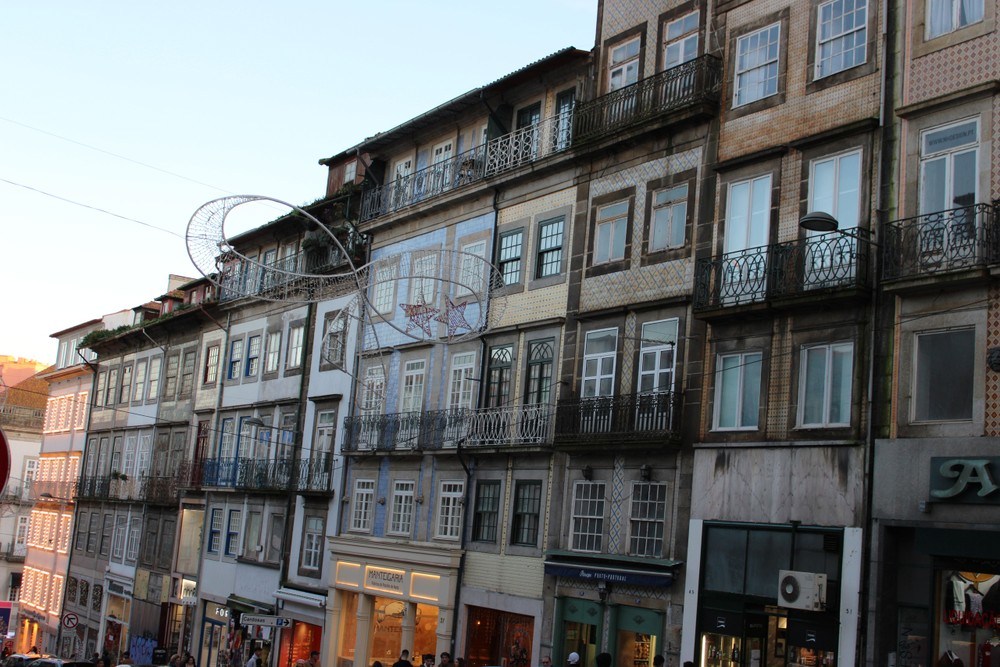
Porto has become one of Portugal’s most popular destinations, attracting visitors with its historic architecture, the Douro River, traditional food and world-famous Port wine. As demand for Porto tours and city experiences continues to grow, tourism is changing the way the historic centre looks, feels and functions.
For visitors, exploring Porto’s historic centre is often the highlight of a trip. Areas such as Ribeira, São Bento, Aliados and Rua de Santa Catarina combine historic buildings, local restaurants, shops and some of the city’s most famous attractions. Walking tours in Porto offer an easy way to discover these areas while learning about the city’s history and culture.
However, the growth of tourism has also created significant changes for local residents. One of the most visible effects has been the transformation of housing. Over the past decade, many buildings in central Porto have been renovated and converted into hotels, guesthouses and short-term tourist accommodation. This investment has helped restore parts of the historic centre, but it has also contributed to pressure on the local housing market.
Tourism has also changed Porto’s traditional commerce. Businesses designed mainly for local residents now share the streets with souvenir shops, cafés, restaurants and other tourist-oriented businesses. Streets that once served primarily as residential and commercial areas have increasingly become destinations in themselves.
This transformation is particularly noticeable around Ribeira, where visitors can experience Porto’s historic atmosphere while enjoying views of the Douro. The area is now one of the most popular stops on Porto city tours, but it remains an important part of the city’s identity and history.
Tourism nevertheless brings clear economic benefits. The industry supports restaurants, hotels, tour operators, cultural attractions and local businesses. The growing number of visitors has also encouraged investment in the restoration of historic buildings and increased Porto’s international visibility.
The challenge is finding a balance between tourism and everyday life. Porto is not simply a destination for visitors; it is also a city where people live, work and build communities. Sustainable tourism therefore requires protecting local neighbourhoods while allowing visitors to experience what makes Porto unique.
For travellers, this means that choosing local Porto tours can be more than a way to see the main attractions. A good tour can provide context about the city’s history, architecture and changing neighbourhoods, helping visitors understand Porto beyond its most photographed landmarks.
Ultimately, the transformation of Porto shows both the opportunities and challenges created by modern tourism. Exploring the city through a walking tour, cultural experience or local guide allows visitors to discover its historic centre while gaining a deeper understanding of how Porto continues to evolve.